

Are You A Candidate For Gastric Bypass Surgery?
Candidates For Gastric Bypass Surgery
Gastric bypass surgery is recommended for those persons who are 90 pounds or more overweight and have or are likely to have medical complications that will be helped, and in many instances, cured by substantial weight loss. While weight loss surgery is not for everyone, there are a large number of patients for whom losing a lot of weight is imperative, including those suffering from diabetes, high blood pressure, heart trouble, shortness of breath, arthritis and orthopedic (bone) problems with their legs, hips or back. Weight loss surgery actually fails in those persons who drink large quantities of regular soft drinks, consume sweets, ice cream, chips and fatty fried foods. If you are one of these people and feel you cannot switch to diet drinks and cut out sweets and fried foods then gastric bypass surgery is not for you.
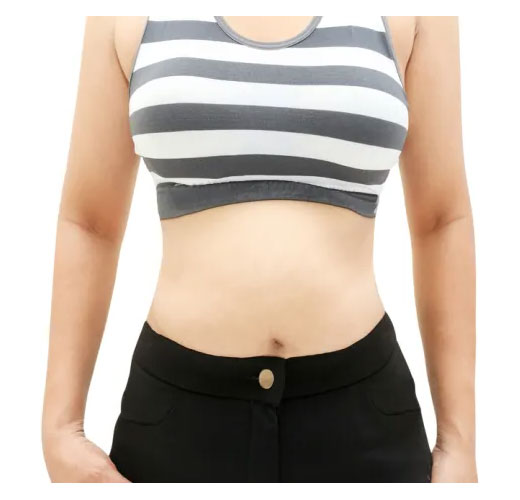
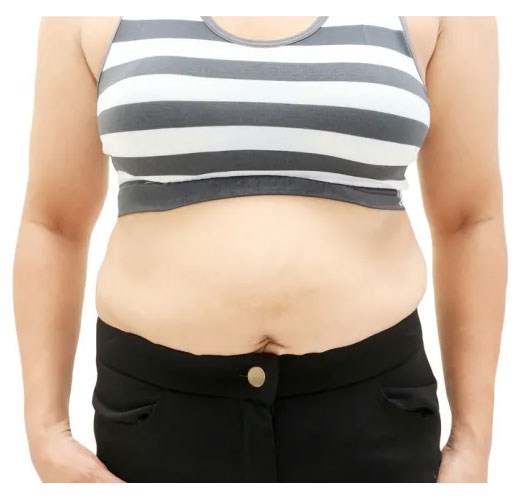
Candidates For Gastric Bypass Surgery
- BMI 18.5 to 24.9 Healthy
- BMI 25 to 29.9 Overweight
- BMI 30 to 39.9 Obese
- BMI 40 to 49.9 Morbidly Obese
- BMI 50 or higher Super Obese
Answering the question "Am I Morbidly Obese?" may give you the courage you need to take the first step towards gastric bypass surgery. Below, we've included a BMI Calculator and an Ideal Body Weight Chart you can use to determine if you are morbidly obese. (However, BMI is only one of many factors we consider when determining whether or not a patient is a good candidate for weight loss surgery.)
You may be a good candidate for surgery if:
- You are 100 pounds or more over your healthy (ideal) body weight
- You have a BMI of 40 or more
- You have a BMI of 35 or more and have serious health problems, such as diabetes or heart disease, that are caused by your excess weight