

Gastric Bypass and
Gastric Sleeve Diet
Immediately after your gastric bypass or gastric sleeve surgery, you won't be able to eat for one to two days. After a couple of days, you will be able to eat some very specific foods according to a diet progression. The purpose of the gastric bypass diet progression is to help you in the healing process, minimize stress on surgical areas and allow time for your body to adjust to new eating patterns.
Common phases in the gastric bypass and gastric sleeve diet:
Phase I - Liquids - foods and fluids that are liquid or semi-liquid at room temperature and contain mostly water, such as broth, juice, milk, strained cream soup and cooked cereal. In most cases, you stay on a liquid diet for one to two days.
Phase II - Pureed foods - foods with a consistency of a smooth paste or a thick liquid. Pureed foods contain no distinct pieces. The pureed diet is generally followed for three to four weeks, or as recommended by your dietitian or doctor.
Phase III - Soft foods - foods that are tender and easy to chew, such as ground or finely diced meats, canned or soft, fresh fruit, and cooked vegetables. You usually eat soft foods for eight weeks before progressing to eating foods of regular consistency with firmer texture as recommended by your dietitian or doctor.
During the diet progression, you eat many small meals each day and sip liquids slowly throughout the day (but not at the same time you eat). You may start with six small meals a day, then progress to four meals and then finally, when following a regular diet, decrease to three meals a day. Typically, each meal will include protein-rich foods, such as lean meat, low-fat dairy products (yogurt, cheese) or eggs. Protein is important for maintaining and repairing your body after surgery.
How quickly you move from one step to the next depends on how fast your body adjusts to the change in eating patterns and the texture and consistency of food. People usually start eating regular foods with a firmer texture three months after surgery, but it can occur sooner.
CLEAR LIQUIDS
You may drink anything that is clear and liquid at room temperature. Avoid caffeine and carbonated drinks.
Examples:
- Water with ice chips
- Sugar free popsicles
- Crystal Light
- Decaf tea
- Sugar Free Jell-O
- Diet V8 Splash
Do not drink from straws or sports top bottles as this can cause air bubbles and may cause discomfort. Water may be difficult at first. Try adding lemon and adjusting the temperature. Please follow your doctors' recommendations on how long to follow each diet.

SOFT FOOD DIET
- Mashed potatoes
- Bananas
- Malt-O Meal
- Scrambled Eggs
- Baked Fish
- Low Fat cottage cheese
- Sugar free yogurt or pudding
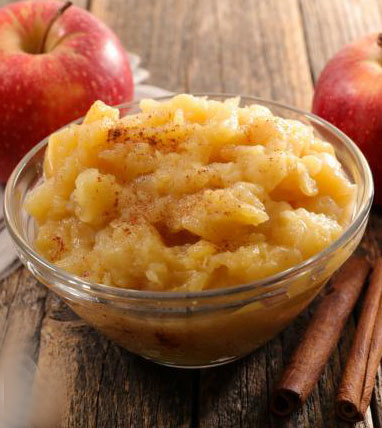
- Applesauce with no sugar added
- Soft cooked vegetables
- Avoid eating fats and sugar for the time being as these may be difficult for the body to digest in this stage.
- Chew your food very well - eat slowly.
- If you feel full - STOP EATING
PROTEINS
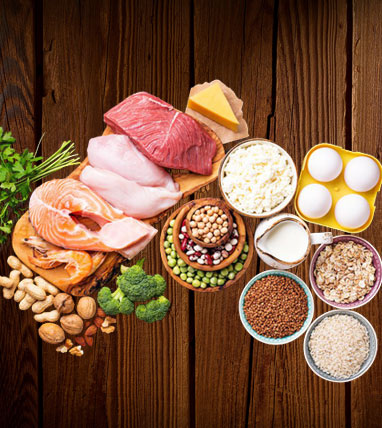
- Protein is needed by the body to build and repair the body's cells and tissues.
- Protein plays a vital role in immunity.
- Choose lean meats such as:
- Fish, shellfish, poultry, lean beef, lamb, pork, veal, and 95% fat free deli meat.
- Avoid high fat cooking methods like frying with oil. void high fat meats such as bacon, sausage, pepperoni or salami.
FATS
- A limited amount of fat is needed in the diet.
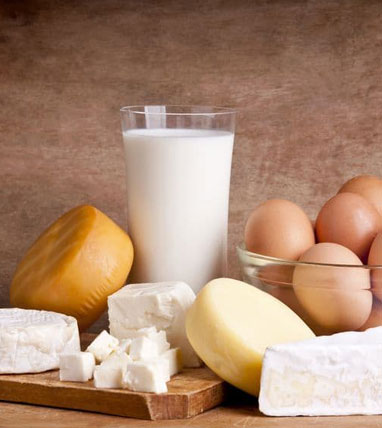
- Fats can be found in baked goods (cakes, muffins, cookies), greasy or fried foods, oils and butter.
- Fat may be difficult to digest after gastric bypass surgery.
- Too much fat may cause reflux (heartburn).
- Excess fat may cause diarrhea, nausea and discomfort.
- Avoid high fat choices like regular salad dressing, butter, cream cheese and mayonnaise.
- Choose low fat options such as fat free / low fat salad dressing, mayonnaise, nonstick cooking spray and olive oil.
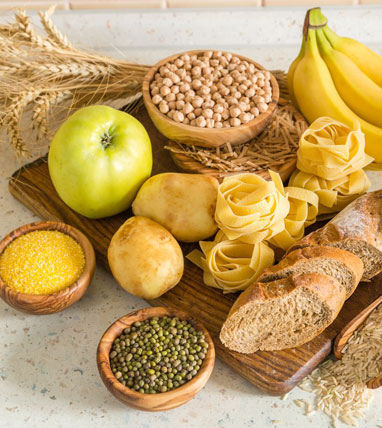
COMPLEX CARBOHYDRATES
- Carbohydrates including grains and starches are the bodies main source of energy.
- They provide energy, B Vitamins, Fiber, and Minerals
- Complex carbohydrates provide nutrients and make you feel full.
- Look for foods with whole grain or 100% wheat flour.
- Examples of complex carbohydrates:
- Wheat bread, low fat crackers, cereals with low sugar such as Special K, Cheerios, Raisin Bran, rice and pasta.
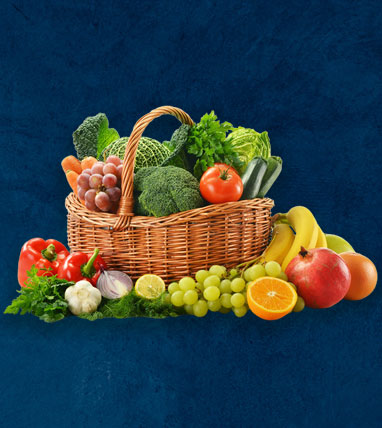
FRUITS AND VEGETABLES
- VEGETABLES provide fiber, energy, Vitamin A and Vitamin C
- Choose a variety of vegetables for your diet
- Avoid using high fat cooking methods such as added butter or oil, or adding high fat sauces such as creams, cheese or gravy
- Remember to incorporate vegetables back into your diet slowly and start with soft consistencies.
- FRUIT provides complex carbohydrates, fiber, energy and Vitamin C.
- Incorporate them into your daily routine; fruit makes great snacks.
- Choose a variety of fruits
- Remember to incorporate fruits back into your diet slowly and start with soft consistencies.