

AATCO - American Association For The Treatment of Clinical Obesity. Information, facts, news, and support for clinically obese. Weight loss surgery information including gastric bypass surgery, lap-band procedure and vertical sleeve gastrectomy. We help candidated qualify for insurance coverage.

Forums    l    Support Groups    l    Chat Rooms    l    Message Boards    l    Questions & Answers    l    WLS Glossary     l     Register


Bariatric Procedures

Home

Gastric Bypass Surgery

Benefits of Gastric Bypass

Risks of Gastric Bypass


LAP BAND Surgery

Benefits of Lap-Band

Risks of Lap-Band


Vertical Sleeve Gastrectomy

Vertical Sleeve Advantages

Risks of Vertical Sleeve


Surgery Candidates

After Surgery

Qualify For Surgery


Patient Resources

Before and After Photos

BMI Calculator

Weight Loss Surgery Videos

Weight Tables

FAQ's

Obesity Fact Sheet

Appeals

Insurance Coverage

Insurance Guidelines


Obesity Support Center

Surgery for Obesity

Morbid Obesity Information

Childhood Obesity

Weight Loss Treatment Options

Obesity Health Risks

Bariatric Surgery Guide


Childhood Obesity

Obesity and Children

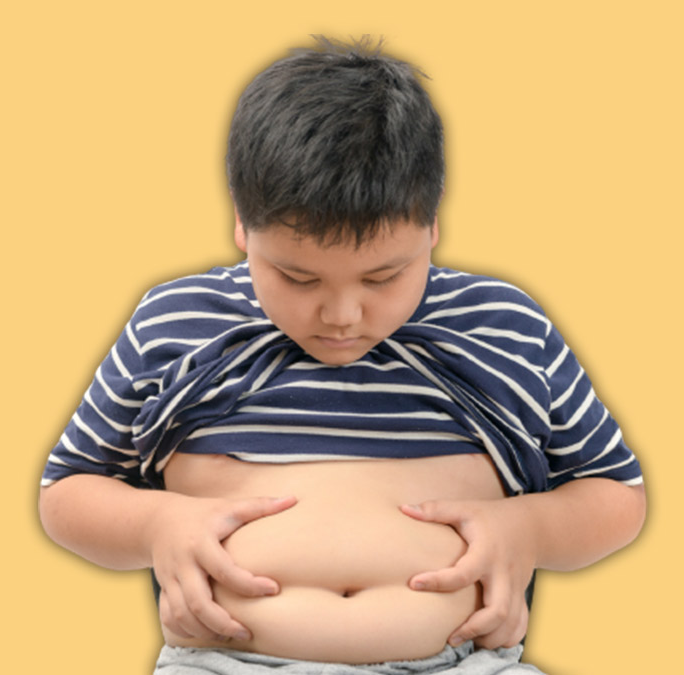
Obesity in children and adolescents is a serious issue with many health and social consequences that often continue into adulthood. Recent national studies show that 16% of high school students are overweight and nearly 10% were obese. The survey, called the Youth Risk Behavioral Surveillance System (YRBSS), is conducted by the Centers for Disease Control and Prevention (CDC), and uses a nationally representative sample of students in grades 9 to 12.

Some parents underestimate the health risks associated with excess weight as it applies to their children as well as the importance of achieving and maintaining behavioral changes that are associated with obesity prevention.

In terms of their own behavior, 61% of parents said that it would not be very difficult to change their eating and/or physical activity patterns if it would help prevent obesity in any of their children. But according to the Centers for Disease Control and Prevention, 51% of children and adolescents eat less than one serving a day of fruit, and 29% eat less than one serving a day of vegetables that are not fried.

Among six choices of what they believed to be the greatest risk to their children's long-term health and quality of life, only 5.6% of parents chose "being overweight or obese." More parents selected other choices as the greatest risk: alcohol, sexually transmitted disease, smoking, violence, and illegal drugs.

Causes of Childhood Obesity
As with adult-onset obesity, childhood obesity has multiple causes centering around an imbalance between calories obtained from food and calories expended in physical activity. Childhood obesity most likely results from a combination of nutritional, psychological, familial, and physiological factors.

The Family
The risk of becoming obese is greatest among children who have two obese parents. This may be due to powerful genetic factors or to parental modeling of both eating and exercise behaviors, indirectly affecting the child's energy balance.

Low-energy Expenditure
The average American child spends several hours each day watching television; time which in previous years might have been devoted to physical pursuits. Obesity is greater among children and adolescents who frequently watch television, not only because little energy is expended while viewing but also because of concurrent consumption of high-calorie snacks.

Heredity
Heredity has recently been shown to influence fatness, regional fat distribution, and response to overfeeding. In addition, infants born to overweight mothers have been found to be less active and to gain more weight by age three months when compared with infants of normal weight mothers, suggesting a possible inborn drive to conserve energy.

Prevention of Childhood Obesity

Teaching healthy behaviors at a young age is important since change becomes more difficult with age. Behaviors involving physical activity and nutrition are the cornerstone of preventing obesity in children and adolescents. Families and schools are the two most critical links in providing the foundation for those behaviors.

Creating an Active Environment:

  • Make time for regular physical activities
  • Plan special active family-outings
  • Start an active neighborhood program
  • Assign active chores to every family member
  • Enroll your child in a structured activity that he or she enjoys
  • Instill an interest in your child to try a new sport
  • Limit the amount of TV watching

Creating a Healthy Eating Environment:

  • Implement the same healthy diet for your entire family
  • Plan times when you prepare foods together
  • Eat meals together at the dinner table at regular times
  • Avoid rushing to finish meals
  • Avoid other activities during mealtimes such as watching TV
  • Avoid foods that are high in calories, fat or sugar
  • Have snack foods available that are low-calorie and nutritious
  • Avoid serving portions that are too large
  • Avoid forcing your child to eat if he/she is not hungry
  • Limit the frequency of fast-food eating to no more than once per week
  • Avoid using food as a reward or the lack of food as punishment

Health Risks of Childhood Obesity

Along with the rise in childhood obesity, there has been an increase in the incidence and prevalence of medical conditions in children and adolescents that had been rare in the past. Pediatricians and childhood obesity researchers are reporting more frequent cases of obesity-related diseases such as type 2 diabetes, asthma and hypertension that once were considered adult conditions.

Diagnosing Childhood Obesity

There are some signs that may help you determine if your child has or is at risk for childhood obesity, such as:

  • Family history of obesity
  • Family history of obesity-related health risks
  • Family history of cigarette smoking and sedentary behaviors
  • Signs in the child of obesity-related health risks from a pediatrician's evaluation
  • Patterns of sedentary behavior and low physical activity levels
  • Taller height - children with obesity are often above the 50th percentile in height
  • Smoking initiation. Research studies show that youngsters use smoking as a method of weight control

Preventing Childhood Obesity

Obesity is easier to prevent than to treat, and prevention focuses in large measure on parent education. In infancy, parent education should center on promotion of breastfeeding, recognition of signals of satiety, and delayed introduction of solid foods. In early childhood, education should include proper nutrition, selection of low-fat snacks, good exercise/activity habits, and monitoring of television viewing. In cases where preventive measures cannot totally overcome the influence of hereditary factors, parent education should focus on building self-esteem and address psychological issues.


Home l Gastric Bypass Surgery l Benefits of Gastric Bypass l Risks of Gastric Bypass l LAP BAND Surgery l Benefits of Lap-Band l FAQ's

Risks of Lap-Band l Vertical Sleeve Gastrectomy l Vertical Sleeve Advantages l Risks of Vertical Sleeve l Surgery Candidates l After Surgery

Before and After Photos l Insurance Coverage l Insurance Guidelines l Surgery for Obesity l Morbid Obesity l Childhood Obesity l Weight Tables

Weight Loss Options l Obesity Health Risks l Qualify For Surgery l BMI Calculator l Weight Loss Surgery Videos l Obesity Fact Sheet l Appeals

Site Map l Contact

Web Site Design & Development by Axcension, Inc.

Copyright 2007. ©ObeseInfo.com. All Rights Reserved.